Efrat Klipshtein
Sharon Kantor, Guest Editor
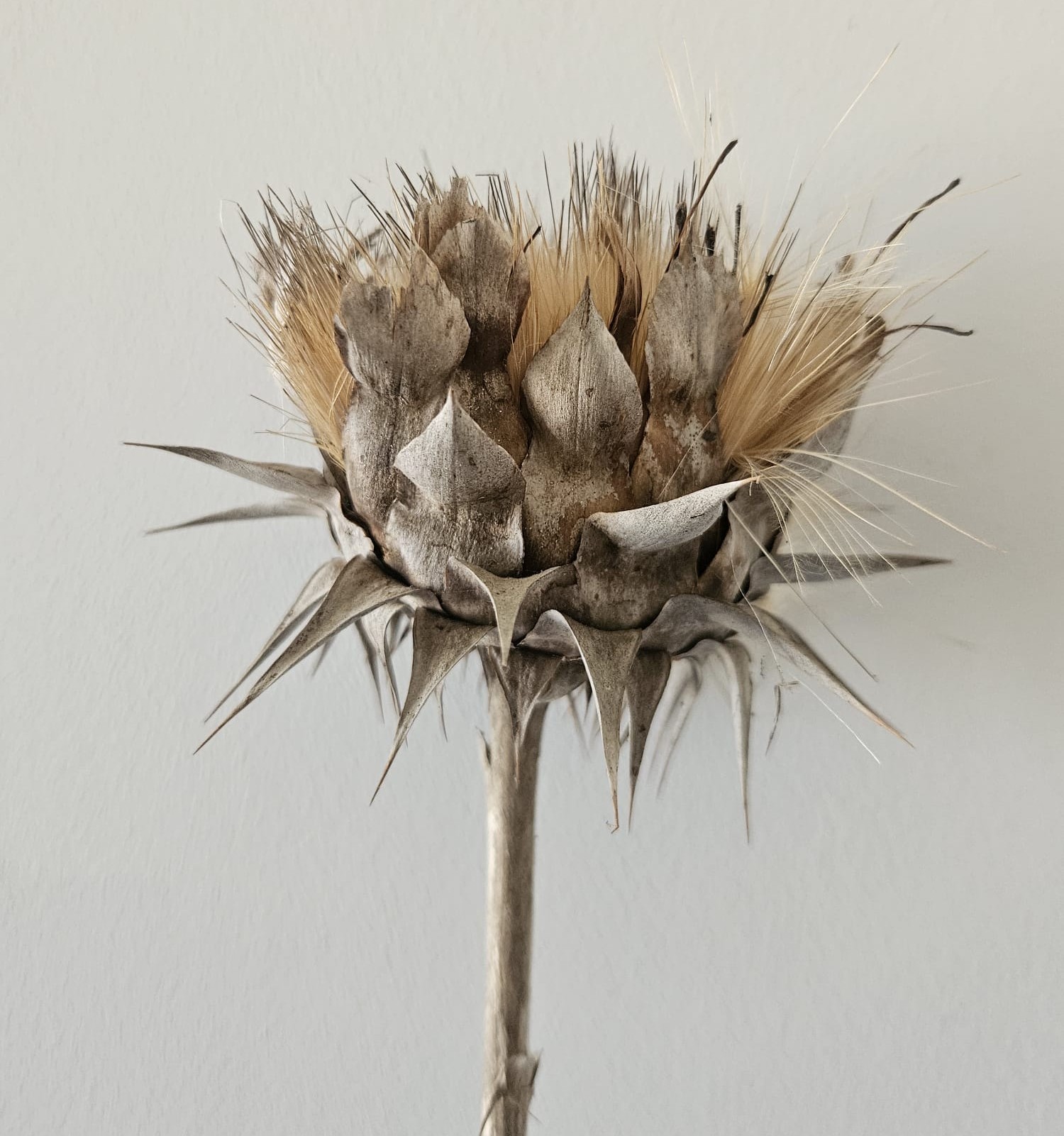
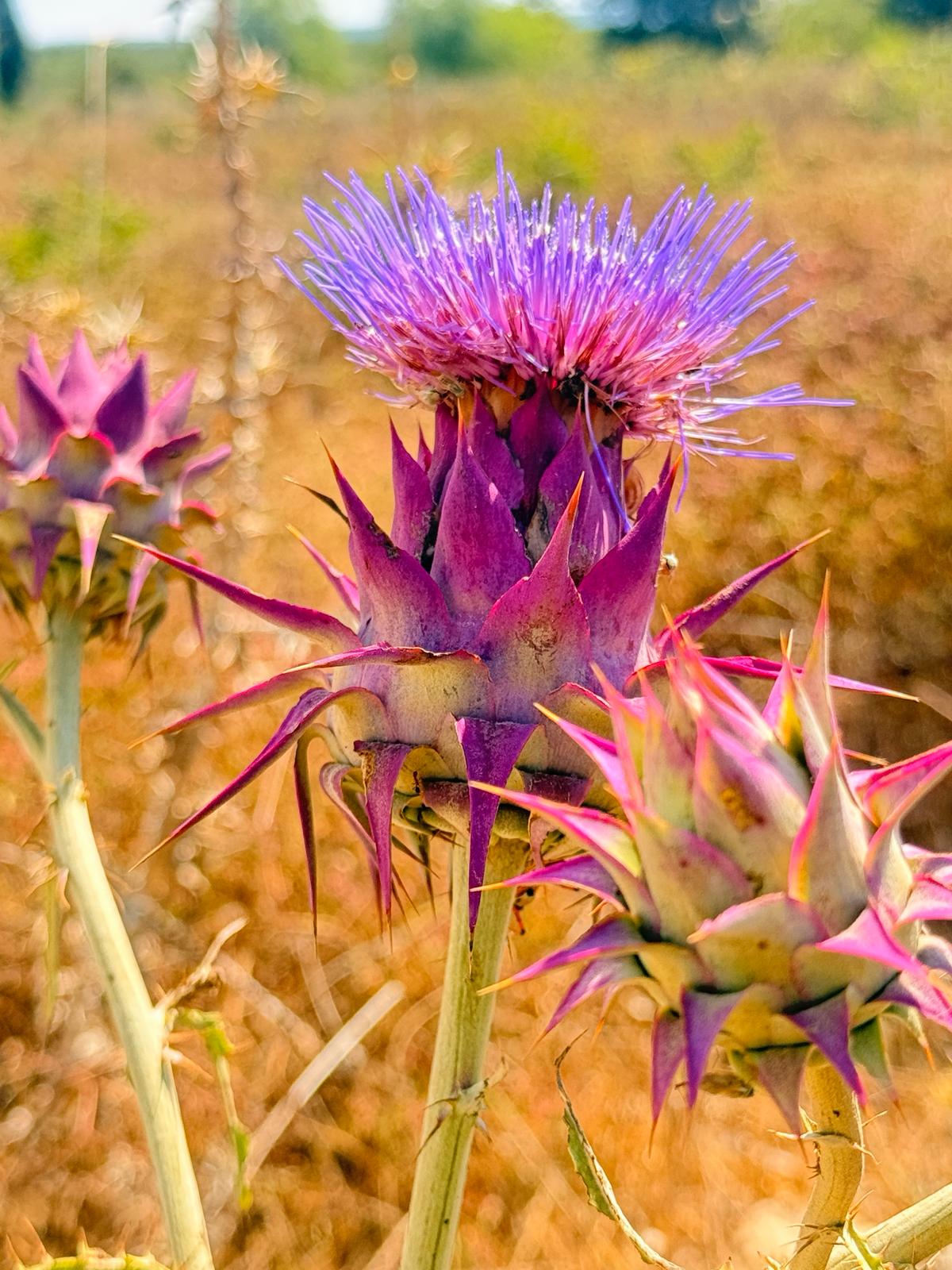
This issue comes out at the end of summer, the season when the landscape turns yellow and the plants dry out. Their hard, pointed, painful parts remain behind. These are the thorns.
Thorns do not wait for the rain, nor do they need favorable conditions; rather, they thrive when everything else succumbs, carrying within them the danger of a fire breaking out.
In the Book of Numbers, before the Israelites enter the land, they are warned: “But if you do not drive out the inhabitants of the land, those you allow to remain will become barbs in your eyes and thorns in your sides” (Numbers 33:55). And in the Book of Ezekiel, it is promised: “And there shall be no more be a pricking brier unto the house of Israel, nor any grieving thorn of all that are round about them” (Ezekiel 28:24). In both verses, thorns serve as a metaphor for other nations and for the troubles expected from the surrounding environment. Yet now, unlike the biblical thorns, it seems that Israel’s field of thorns is growing within it, within us, and that the fire that may break out in this field will be ignited from within.
When everything is desolate, it is difficult to imagine the landscape turning green again. But it will, it always does.